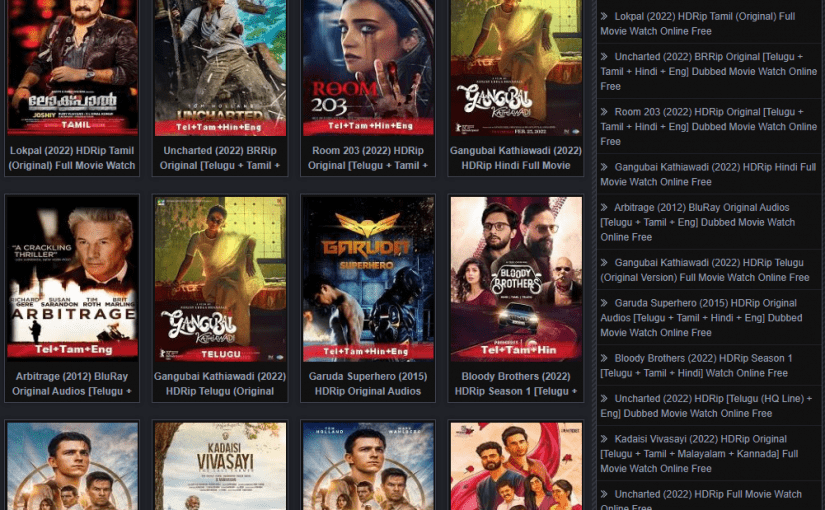
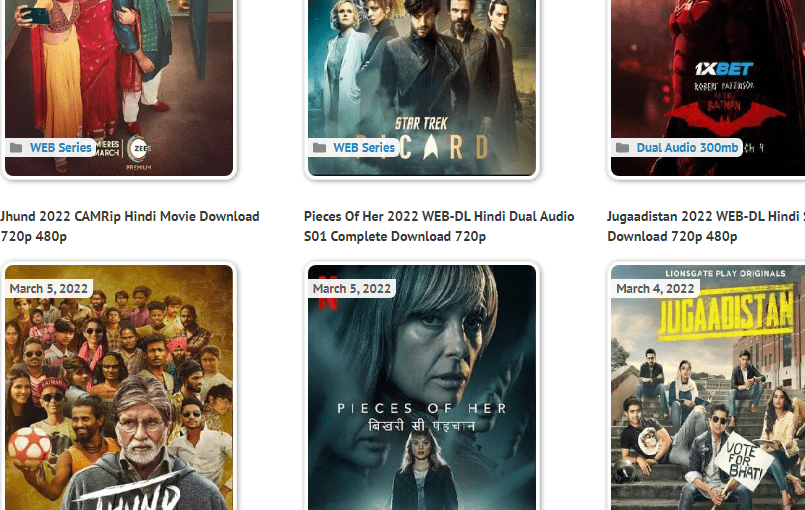
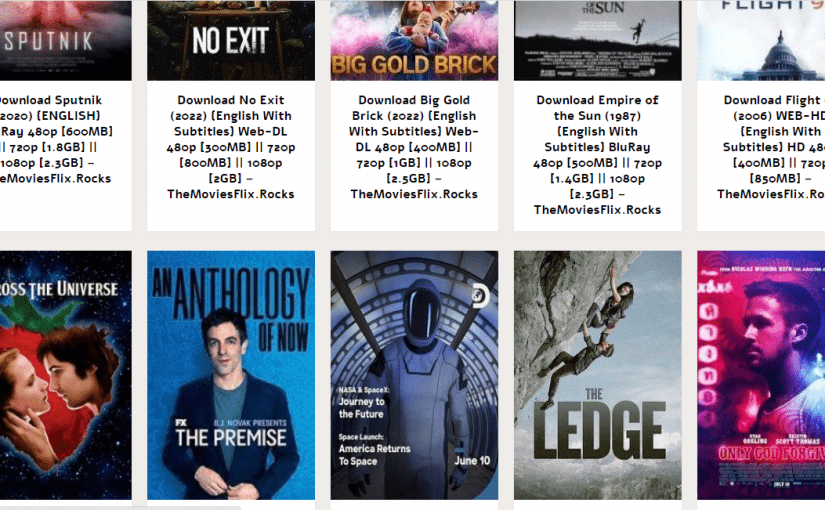
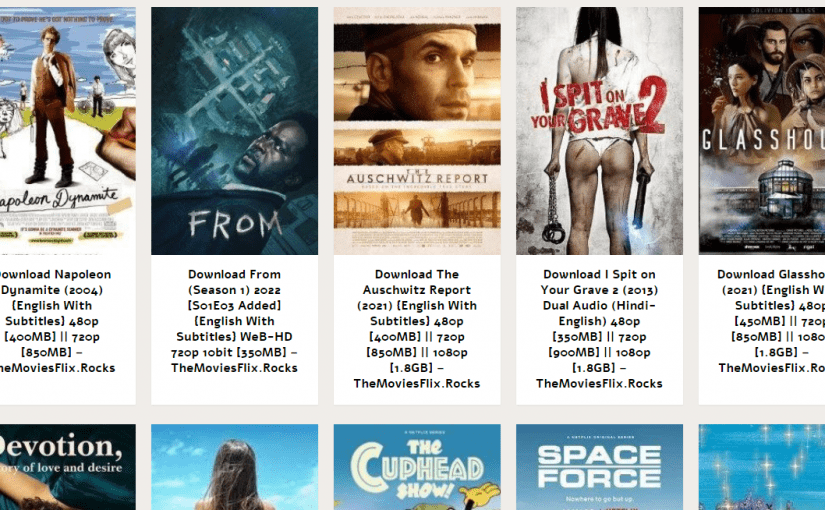
In the digital age of entertainment, FilmyZilla has emerged as a prominent platform that allows users to access a vast library of movies for free. This website has garnered significant attention for providing a convenient and cost-effective way for movie enthusiasts to stay updated on the latest releases. However, the operation of FilmyZilla exists in a murky legal territory, raising questions about the ethics of piracy and its impact on the film industry.
Understanding FilmyZilla’s Offerings
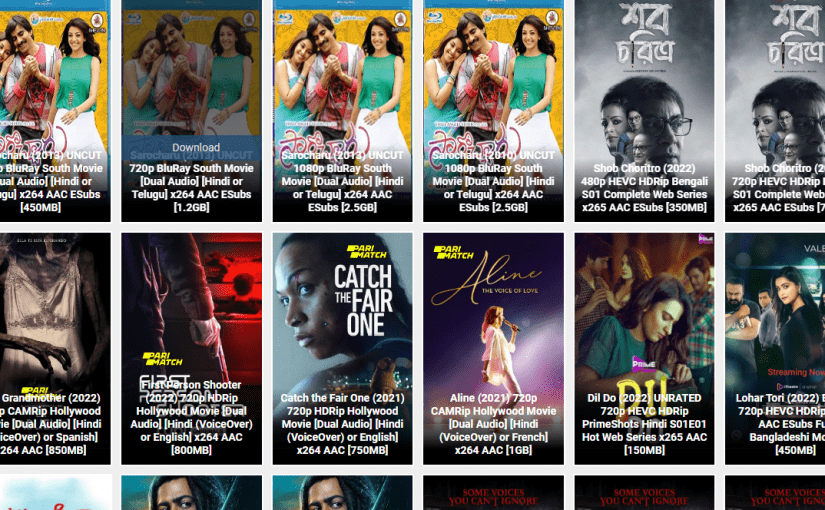
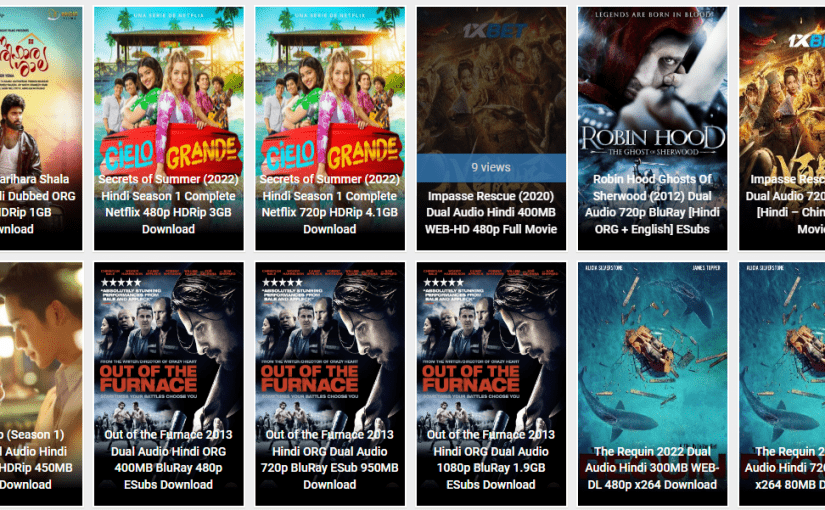
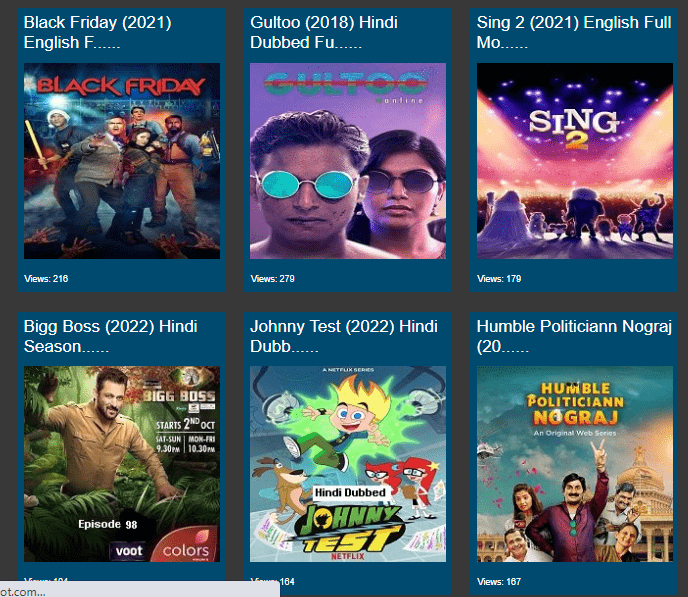
FilmyZilla is a website that offers an extensive collection of movies, spanning across genres and languages, available for download without any charge. This easy access to a wide variety of films has contributed to the platform’s popularity among users seeking an affordable way to enjoy their favorite movies without the financial commitment typically associated with traditional movie consumption.
The Temptation of Free Movie Downloads
The allure of free movie downloads cannot be overstated. As subscription fees for streaming services continue to rise, the prospect of accessing a plethora of films without incurring any costs has resonated with a vast audience. FilmyZilla and similar platforms capitalize on the appeal of affordability, attracting users eager to indulge in cinematic experiences without straining their wallets.
The Ethical Quandary of Piracy
However, the ethical implications of FilmyZilla’s operations cannot be overlooked. Many of the movies available for download on the platform are pirated copies, infringing upon the copyrights of the original creators and production companies. This raises legitimate concerns about the impact of piracy on the film industry, potentially leading to financial losses for filmmakers and diminished incentives for future creative endeavors.
The Ethical Dilemma: Navigating Convenience and Copyright
As users engage with platforms like FilmyZilla, they are confronted with an ethical dilemma that forces them to consider the ramifications of their actions on content creators. By downloading pirated movies, users inadvertently contribute to a cycle of copyright infringement that undermines the hard work and artistic expression of filmmakers and other industry professionals. This conflict underscores the ethical responsibility of consumers in upholding legal and ethical practices within the entertainment landscape.
Advocating for Legal Alternatives and Fair Compensation
In light of the ethical concerns surrounding piracy, it is imperative for users to seek out and support legal alternatives for accessing movies. Subscribing to reputable streaming services such as Netflix, Amazon Prime, and Disney+ not only grants users access to a diverse array of films but also ensures that creators receive fair compensation for their work. By making conscientious choices and opting for legitimate channels of content consumption, users can actively contribute to a more sustainable and ethical entertainment ecosystem.
Promoting Accountability and Awareness
As the conversation surrounding piracy and ethical content consumption continues, users play a pivotal role in advocating for accountability and awareness within the industry. By engaging in open dialogues, staying informed about copyright laws, and actively supporting legal avenues for movie consumption, individuals can foster an environment where creativity and innovation are acknowledged, respected, and appropriately rewarded.
The Evolution of Movie Consumption
The meteoric rise of platforms like FilmyZilla reflects a seismic shift in consumer behavior and preferences regarding the consumption of movies. The convenience and cost-effectiveness of free movie downloads have disrupted traditional distribution models, prompting discussions about the future of movie consumption and the adaptability of the film industry in a rapidly evolving digital landscape.
Navigating Technological Advancements
With rapid advancements in technology, the traditional modes of movie distribution are being reshaped. The rise of streaming platforms, digital rentals, and on-demand services has presented users with an array of options for accessing movies, challenging the status quo of conventional movie theaters and physical media. This evolution underscores the need for industry stakeholders to embrace innovation and adapt to emerging trends in order to remain relevant and competitive.
Cultivating Collaborative Solutions
In the face of industry disruptions, collaboration between users, creators, and industry stakeholders becomes increasingly crucial. By actively engaging in conversations about the ethical implications of piracy, exploring innovative distribution models, and championing initiatives that prioritize equitable compensation for creators, a collective effort can be made to shape a future where artistic expression thrives within a sustainable and ethical framework.
Conclusion: Shaping a Responsible Future
FilmyZilla Movie Download and similar platforms exist at the intersection of convenience, controversy, and ethical considerations within the realm of free movie downloads. While the allure of free access to an extensive catalog of films is undeniable, it is imperative for users to reflect on the broader impact of their choices and consider the ethical ramifications of piracy. By supporting legal alternatives, advocating for fair compensation for creators, and engaging in meaningful discourse about ethical content consumption, users can actively contribute to a future where creativity and innovation are celebrated within an environment that upholds ethical and legal standards.